


Diljit Dosanjh: The Drake of Punjabi Music?
- Jun 29, 2025
- 23 min read
Updated: Jul 13, 2025

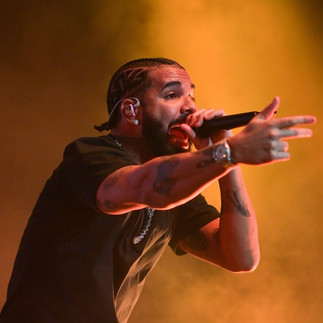

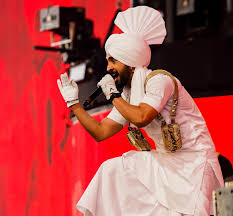
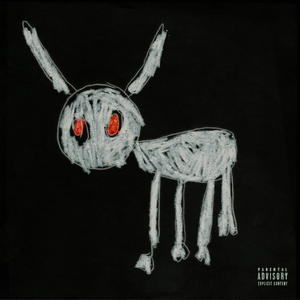
Within a week of each other in Fall 2023, Punjabi artist Diljit Dosanjh's much awaited project Ghost and Canadian artist Drake's similarly anticipated album For All the Dogs dropped, both to wide commerical success and mixed critical reception. As a longtime fan of both superstars, I eagerly listened to both projects and, noticing various alignments, started to think deeper on an interesting question I had half-jokingly considered before: is Diljit Dosanjh the Drake equivalent in Punjabi music?
It wasn't just those specific projects, their status as genre-transcending commerical leaders in their respective industires (if they can even be considered separate anymore), their mutual obsessions with Rihanna and Kylie Jenner, or the questionable lyrics about young girls early in their careers (but seriously, that's a weird ass coincidence... I guess that just helps my case? It's a tough look). It seemed that the approaches to their careers and music may very well be similar success stories in two different worlds, and even if the answer to the question ends up being no, it seemed worth exploring.
Backstories


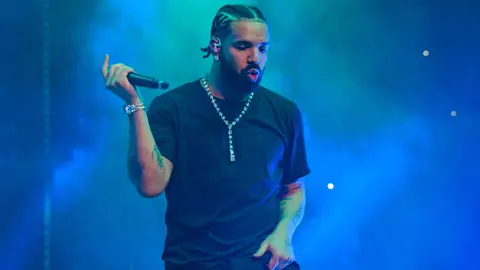
First let's start with the origins and the general career overview, especially for those unfamiliar. Drake first popped onto the scene in 2008/09 with So Far Gone and Thank Me Later, coming out of Toronto with a very Kanye West inspired vibe, mixing rapping and singing mainly about his come up and heartbreaks. It was new and unique enough to make a distinct mark, but still within the boundaries of hip-hop that it could be accepted by an evolving industry entering the new decade. After being signed by Lil Wayne and going crazy on features, he released the widely acclaimed Take Care, showing both an incredible rapping ability along with his relatable crooning and marking his entry into the big leagues. He solidified his stance with Nothing Was The Same, which was more rap heavy and introduced some of his biggest hits. He still only really rapped about his success and his heartbreaks, but it still felt raw and authentic (even if it's debatable whether it really is). At this point Drake is perhaps the biggest name in hip-hop, even seemingly gaining a little bit of the respect he was lacking after a surprise mixtape If You're Reading This Its Too Late (possibly his best work) and obliterating Meek Mill in their beef despite the truth behind the allegations he was using ghostwriters. From the second half of 2015 onwards is when there seems to be shift in both Drake's public persona and musical ethos. His first collaborative project, What A Time To Be Alive with Future, marked his new focus on trap music, which had begun to trickle into the mainstream. Most of the project was clearly more up Future's alley, and even though Drake performed well and the project produced hits, this was Drake "switching styles", maybe out of artistry, or, considering his origins are not the same as trap music, maybe out of expanding and sustaining his commerciality. Whatever the case, 2016 Drake became a full blown popstar, releasing Views off the success of singles like "Hotline Bling", "One Dance", and "Controlla", all heavily afrobeats or reggaeton inspired (which he attributes to the album being a tribute to Toronto), becoming pretty much the biggest musician in the world, despite many from within hip-hop beginning to criticize the state of his music and the "culture vulture" allegations growing. From there we see a "playlist" drop with More Life in 2017 where we see more of the genre hopping/versatility (I'm trying to not be biased one way or the other), and then a massive (literally) album in Scorpion, an album with the biggest hits of the year and a lot of potential but one that ultimately wasn't as well received as a whole project, and turned out to be generally indicative of the following years. The album also came off the heels of Drake very publicly losing his beef with Pusha T after his secret child was outed, which felt bigger than the album itself. Despite this, he pretty much maintained his spot at the commercial top with "stimulus package" features and singles, even releasing a mixtape of cut tracks from his upcoming album in 2020 called Dark Lane Demo Tapes, that despite ups and downs had a little bit of the raw feel to it that Drake had been missing for a while. Then the much awaited and hyped Certified Lover Boy finally dropped in 2021... and again it felt so standard as a whole overall project, despite a solid amount of bangers in my opinion, and again it felt overshadowed by the overall event of going up against Kanye West's Donda during the height of their beef (notice a pattern?). So much of the rawness that was peeking through in DLDT was sacrificed on CLB, seemingly for "safer" bets so that it could win a commerical head to head with Donda. Drake is showing his versatility again, but it feels a little less inspired, as in he's kinda-sorta doing melodious trap, then kinda-sorta doing RnB, then kinda-sorta doing boom-bap, then kinda-sorta doing Carribean music. I'll be honest, I like CLB more than most but at the same time it didn't necessarily "bring Drake back" and held some warning signs for his next projects. After came a surprise foray into house music with Honestly, Nevermind that again, had potential but came across largely lazy and uninspired. To be fair, after being told so much of his music sounds the same I really appreciate the thought to just say "fuck you then" and doing a whole different genre, but it had to be executed way way better for it to be what he intended, and he actually had to engage with the genre he's exploring authentically instead of just being normal ass Drake on a poorly produced house beat. Where I personally think he slightly bucks the trend for a bit is in his collaborative album Her Loss with Atlanta trap artist 21 Savage (sound familiar?), which while still containing some of the glaring issues every recent Drake project has, felt much more alive comparatively. Drake has some hype and respect again, goes on feature runs again, and now we've caught up to our critical point for the purposes of this essay, the buildup to For All the Dogs.

"He's like the Drake of Punjabi music"
Moving halfway across the world, we absolutely have to skim over the establishment of Diljit Dosanjh as we know him. I definitely can't go over everything because there would just be too much and honestly, I can only speak to a fraction of the cultural impact, but I'll try to hit the major points. Born in Dosanjh Kalan, Jalandhar, Punjab, Diljit began singing at local gurdwaras. His debut album, "Ishq Da Uda Ada," released in 2003, and his early success came with the hit singles "Nachh Diyan Alran Kuwariyan" and "Paggan Pochiviyan" off his album Smile in 2005. These songs are fairly traditional Bhangra style songs, and in tone and content are connected to Punjabi tradition while still fitting into the culture of the time as Diljit safely establishes his way into the industry. 2008's Chocolate seems to be similarly within the mainstream bounds, but evolving with the industry and importantly starting to distinguish Diljit as his own distinct person while gaining more attention from audiences, and this was capitalized upon with 2009's The Next Level, which being produced by hip hop artist Yo Yo Honey Singh added a pop rap bhangra fusion element to his music that was the perfect evolution for the turn of the decade, and this partnership resulted in some of his biggest singles yet. Although the bhangra elements were still present in a fusion format, tonally there was the introduction of more aggressive singing and lyrics to his established romantic party image. I should go on a tangent to mention a couple things here that may be unclear to those unfamiliar with the Punjabi scene: one, I'm using the albums to mark the coexisting evolution of Diljit, but for the first half of his career Punjabi music was more defined by singles (generalization but stick with me); and two, Diljit Dosanjh isn't just a singer but also an actor in Punjabi cinema and later Bollywood cinema as well. Today, it's like if musically he was as big as Drake but also had the acting fame and career of Will Smith or something (don't take it too literally). It's Donald Glover/Childish Gambino but on steroids. I bring this up to say that Diljit's presence in the culture isn't only as a musician (although it's the primary reason) but, later on, also as a movie star. In 2011 Diljit began appearing in films, initially with mixed success, and the majority of his musical output for a couple years was for the soundtracks of these movies, which spawned a good amount of hits and made him even bigger. If it wasn't already true, 2012 cemented Diljit as a cultural figurehead here to stay. After starring in one of the biggest Punjabi movies ever, he marked his return to solo music with a religious album Sikh, lending his voice to tinges of dhaadi vaar music and themes focusing on "the principles and philosophies of the Sikh religion." The album was removed from the personas he had put on in the past, but was still musically relevant to the time and gained Diljit some more credit within the community. He followed this up with his return to mainstream music in the extremely popular Back 2 Basics album produced by Tru Skool, and again showed the ear Diljit had for finding people who could create the trends that would blow up later on and making it palatable for a mainstream audience (again, sound familiar?). The following years had the star more focused on becoming the biggest Punjabi movie star, but he made sure to release a couple singles every year from 2013-17, and without fail he managed to have one or two of the biggest tracks of every year without a single solo project. Again we saw the emphasis on his genre-hopping: one year it was more hip-hop inspired, the other it was bhangra, the next it was exciting fusion, the next it was acoustic low key romantic. These newfound levels of fame also led to his introduction in Bollywood, both as an actor but importantly also as a musician (whether that was a good or bad thing for him can be a whole other article). His project hiatus ended in 2018 when Con.Fi.Den.Tial dropped, with the production beginning to show a real clean blend of contemporary sounds mixed in and hip-hop inspiration, although still favoring Bhangra, folk, and Punjabi pop sounds, and this can be said even more so for his follow up Roar, which was much more traditional leaning. 2020 is when it all changed musically according to Diljit, and its evident in his Billboard charting immensely popular record G.O.A.T, his most versatile outing yet, blending bhangra and folk with RnB and electronic beats, with a large overarching hip-hop theme. Culturally this album was HUGE, in a time where before it almost seemed like Diljit was stepping away from the scene while new rappers and styles were taking over, and cemented that he was here to stay at the top. They were playing this shit in Times Square while people did bhangra to it in masks. G.O.A.T also demonstrated an important strategy that we'll focus on even more in our comparison; like with The Next Level at the turn of the last decade, Diljit used newly emerged artists like Karan Aujla, G Sidhu, and Amrit Maan through having them write, as well as mixing in a new generation of producers to craft and produce the record, plunging himself into mainstream versions of the upcoming sound. Diljit Dosanjh was now locked into music, dropping Moonchild Era in 2021, which was generally much more pop or RnB focused sonically and did very well commercially, and then releasing a quick EP Drive Thru, which had softer singing over hip-hop or RnB instrumentals but overall sonically and especially lyrically (fuck Raj Ranjodh this whole project) felt extremely inauthentic comparatively (which for someone who can switch styles well was almost shocking) and definitely was recieved better by and even aimed towards newer, generally non-Punjabi fans. With Diljit clearly set on expanding his reach outside of South Asia and the Punjabi diaspora with numerous international collaborations and a then-upcoming glass-breaking Coachella performance, and also having already cultivated quite a substantial non-Punjabi audience as his fame in the region grew larger, the sounds of his next project were met with curious (and maybe by some, wary) anticipation, and again we have reached our critical point with the release of Ghost. Time to have some fun.
The Breakdown

What immediately stands out on the surface is the very long CVS receipt level tracklists; FATD checks in at 23 songs, with Ghost having just one less. This isn't a simple coincidence. Both albums faced criticism for being bloated and focusing more on commerciality and streaming than artistry, but there's more to this opinion than some music snob on Reddit writing paragraphs about it whenever he gets the chance (am I being a hypocrite here? I don't know). Both seemed to be focused on 3 big themes which they attempt to achieve using the "see what sticks best" method.
1. Simple Commerciality
First, simple commericality: they've been the biggest sellers in the game and broken the records, they need to match those standards and preferably set new ones to feel any sort of value within the scene.
2. Genre Variety
Second, they have to hit a few songs for each of the 2-4 genres they have aligned themselves with in the past that helped make them so big AND foray into a few other genres that are currently popular so they can maintain their commerciality.
3. Employing Other Artists' Services
Third, they employ the services of other artists, writers, and producers that come out of those genres and try to fill those spaces; whether successfully or not is to be debated.
Simple Commerciality: Deriving Value
As already described in detail, both artists' journeys have been particularly advantageous (and perhaps tailored) towards achieving a record breaking peak of commercial success, first amongst their core audience (hip hop/RnB for Drake, Punjabi/folk for Diljit), and then to the mainstream general audience through sometimes more watered down version of that (pop for Drake, non-Punjabis for Diljit), to the point where a major part of their public and artistic identity is tied to being THE commercial guy. Drake in particular built his career on this: from the early "if Drake on the hook the song is a hit" to using his commercial success almost as a personality trait in beefs and general persona. Drake approaches records last touched by the biggest popstars in the world. Drake gives out stimulus packages by featuring on your song. Drake only engages in pop rap since his record breaking album in 2016 gave him wild levels of success, but he's the biggest in the WORLD and damn near represents an entire country, so is it worth it? It was so accepted that every rap page on Instagram had a corny post about the roles of the big 3: Kendrick was the mind, Cole was the soul, and Drake was... the numbers? The voice? It didn't have to make sense because it just was. It came back to bite him though; rap fans, and soon enough fans in general felt his new music was soulless and stale and ONLY geared towards short term commerciality. There was a bare minimum he could do to achieve commercial success off of his name and fans hoping for something new, so that's what he did, but paid the price of it slowly chipping away at his reputation for the past 9 years. With that, if he faces those same critiques consistently AND somehow loses his massive commercial viability, what value does his music hold not only to the audience but to him? What value does Drake hold? Think about that. I'm not even saying that's my opinion, but rather the thought process behind his moves and place in the industry. It's almost a hole that he keeps on digging, especially after Honestly, Nevermind's reception, and commerciality may not be something he can risk giving up anymore. This doesn't even scratch the surface of other motivators like his insane record deal requirements.

Diljit's journey to that commerical apex may feel a little more authentic, but the fact still remains that record breaking success is a requirement, not a bonus, that informs how he makes his music as well. Diljit is likely the most prominent turban wearing Sikh in pop culture in South Asia and in certain parts of the diaspora as well, again to the point where it almost informs his public persona, and his music has to reflect that. His songs and videos and even movies sometimes were known in the last decade to be much more massive on a production level relative to the rest of the Punjabi industry, and it added a sense of importance to whatever he put out. When he releases something, multiple generations of people pay attention. The other part of being one of the most prominent turbaned Sikhs is the extreme and constant scrutiny he faces because of it. Many Indians and definitely the Indian establishment can't stand that the cool, fashion icon, internationally successful man out of their country is from a village in post-84 Punjab who projects the turban wherever he goes and who doesn't look like them, pray like they do, and most importantly can't be fully censored or controlled by them in the way that Bollywood's biggest stars like Akshay Kumar can be. They will call him a separatist for yelling "Punjabi aageya oyeee" (the Punjabis have arrived) on the Coachella stage because he said Punjabi instead of Hindustani. He supported Punjabi farmers in the 2020 Farmer's Protest instead of reposting the propoganda the rest of the stars copy-pasted on their Twitters and he immeditely recieved income tax investigations and massive public scrutiny from an audience who claimed to be "hip" to Punjabi culture that they want to simultaneously claim and erase. "Don't let the white people start thinking the Punjabi shit is cool," they think, "tell them it's India! Include me! Pick me! I'm cool guy too white people" while turning heel if he espouses anything that strays from the nationalist mainline that he was never fully included into in the first place. It's an interesting thing to manage and one you can't help but notice in the way he presents himself once you start paying attention. Given all this, however, he has learned that he needs to maintain a certain level of palatability to remain at the top of the mainstream for non-Punjabis. He will play the stereotypical dumb villager or army man along with his other meaningful roles. He will go back and forth with Kangana Raunat online but star in Border 2 with Sunny Deol and meet with PM Modi when he calls on him. He used to participate in Bollywood's bastardization and appropriation of Punjabi classic songs. Let's be very clear here; what happened to people like Deep Sidhu and Sidhu Moose Wala would never happen to Diljit. He's a boundary pusher for sure, but very much part of the palatable mainstream, within India's red lines, and its BECAUSE he achieved this commerciality in his career and made it a part of his identity that he has to maintain it to stay on his career arc and have that machine behind him to progress into that international stardom. With this acceptable persona has to come acceptable, palatable, and generally familiar music, just as it does with a generally apolitical Drake. There's a purposeful acceptableness that just has to accompany most things they put out, and it's reasonable to assume it affects their art as well.

Genre Variety: The Chameleon Strategy
Now how can they maintain this while still remaining relevant? This is where we get to what may have sparked the idea for this piece in the first place. Some will call it an almost unimaginable knack for versatility. Others will call it soulless genre hopping. Regardless, its been a major part of their recipe for success, and their current approaches to their... adaptability (that feels like the most neutral word) is most clearly characterized in their 2023 albums. Although hard to pin down an "origin genre", FATD has a very familiar Drake splattered around the tracklist. "Virginia Beach" is an autotune smothered sing rap about women over a sample focused beat; "Daylight" is Drizzy playing mob boss rapper; "First Person Shooter" is actually a pretty solid rap track where he collaborates with another giant in the game (J Cole in this instance); "Drew a Picasso"/"Bahamas Promises" are slower RnB attempts; and of course "8am in Charlotte" is a continuation of the timestamp series except it falls into Drake's recent pattern where he uses that rich guy flow after which everyone says its his best song in years before it gets forgotten in a month. The point is, I can copy paste these song descriptions for titles across so many of Drake's albums: it's a formula. Ghost has an analogous palette: "Case" is a Bhangra banger that immediately became another wedding/dance competition staple; "Amiri" is a trap attempt; "Psychotic" is a soft crooning serenade; "Lalkara" is a collaboration with a rapper; and "Feel My Love" is the more palatable late night poppy song. Same thing here: you can draw some sort of parallel with other recent tracklists Diljit has put out. How does this keep working for them though? Are we as an audience really that formulaically easy to keep pleased? Well, kind of. Its worked to bring them to the top of the culture, and people on an average are obviously going to want more of that. But the other thing that they do is diving further or even introducing themselves into genres up and coming in the mainstream, even if they do not come from it themselves. The most obvious iteration of this for both artists is trap music. Drake started as the sing/rap guy from Canada, and Diljit comes from a village in Punjab who started from performing songs at melas (although I can write a whole seperate essay about why trap took fire in Punjabi music and communities in a unique way). Drake started making trap his genre in 2015, and while he's made a good amount of bangers he's still felt like an outsider, and he knows that too (we'll circle back to this). Diljit has been foraying into trap for a while too, but never like on this album. He employs the production services of thiarajxtt on all but 3 songs, who has a more hip-hop and trap oriented sound. "Amiri", "Daytona", and more are honestly pretty close to a contemporary Drake trap song. There's many more examples littered through the tracklists. There is of course the much ridiculed "IDGAF" with Yeat, who blew up in between this Drake album and the previous one as a leader of almost his own genre. We all know that is NOT Drake's style and he's been made fun of endlessly for it, but it's completely on brand. "Rich Baby Daddy", perhaps the biggest song from the album, actually feels more like a Drizzy song but is capitalizing on the popularity of watered down Jersey Club-like songs. "Calling For You" is a copy of the "Kehlani" beat that blew up on Tik Tok, whatever genre Cash Cobain is. "7969 Santa" is sort of a slow lean rap attempt. "Another Late Night" sounds like a leftover Lil Yachty song. There's so many more to go through with different levels of how obvious the adaptability is, but I think the point is made as to how Drake approaches his tracklists and how it connects to the general idea of this piece. Diljit does a similar thing, with an interesting piece of context to understand: G.O.A.T was by far his most far reaching album, and since then he has had numerous international collaborations trying to break into the Western market after conquering non-Punjabi South Asian audiences, and he clearly is trying to capitalize on current trends to help his chances to do that. He has said in numerous interviews that he wants his breakthrough song to be more tied to traditional Punjabi music, but he seems to also believe that to gather the audience first he needs to foray into everything else (although I want to be careful not to discount the artistic desire to try new music at this stage of his very long career, which he has also cited). Outside of the trap, "Kinni Kinni" and "Feel My Love" are more airy synth pop songs with accompanying Tik Tok dances. "Kehkashan" feels almost like an AP Dhillon song. "Poppin" and "Jatt Vaily" are new age bragadocio that sound like they're straight out of Surrey. "Icon" is Jersey Club but in Punjabi. "Midnight Desires" feels like it could be on Dawn FM. Again, there's so much more. It does feel more advanced and modern, but there's still a certain level of hollowness to some of it because its not his forte, he's almost imitating other artists' style. Whether you consider it genre hopping or amazing versatility, its a central piece of their careers, art, and public personas.

Employing Other Artists' Services: The Yachty-Nattan Parallel


As for the how of accomplishing this... Lil Yachty x Chani Nattan. Just stare at that sentence for a bit. There might be no connection you can see, but they serve almost the same role for their respective collaborators. They might as well collaborate. I call this the Yachty-Nattan Parallel (trademark pending). Yachty and Nattan are both part of a newer wave of music who were fairly different from Drake and Diljit at the time they emerged, almost in a completely different sphere. Yachty was a leading part of the SoundCloud Rapper wave, with a few big hit songs but not getting as big as his peers, although having a recognizable sound. Chani Nattan first emerged as a writer and singer of Kharkhu style songs out of Surrey, BC, becoming controversial for his bombastic lyrics focusing on Sikh militarism. However, he soon switched to being just a lyricist, with his songs usually being vocalized by Inderpal Moga, and for the most part no longer focusing on Kharku topics, doing a 180 turn into normal topics of money, women, guns, and jatt, fitting into the newer wave of Punjabi music. While Drake/Diljit were still at the top of their charts, they both notably took breaks from releasing music to focus on signing or cosigning younger artists and attaching their names to others, and of course took notice of these new waves. Knowing that they would need to adapt to stay in their top positions, they forayed into these genres as we already discussed, but they also had to boost their own music in a way that completely assured it would hit, aka their own voices and fame paired with a newer, albeit diluted, sound. Drake did this most prominently through his various "stimulus package" features, entire collab albums with Atlanta trap rappers Future and 21 Savage, using songs originally developed for/by his signed artists like PartyNextDoor, and of course his arsenal of accents.







Diljit similarly employed Karan Aujla and G Sidhu's writing and songs on some of his biggest songs in years on G.O.A.T just before they broke into another echelon of mainstream success themselves, just as he had done with Yo Yo Honey Singh in the last era, and continued to do so with people like Arjan Dhillon and the aforementioned Nattan, in a manner not totally ulike Punjabi artists of the past but very shrewdly oriented and timed. Again, what is Diljit or Drake's artistic identity when you really break it down? Notably, at the time the 2 albums we are focusing on came out, neither Yachty nor Nattan were quite "THE leader" of their general waves while people like Lil Uzi Vert, 21 Savage, AP Dhillon, or Karan Aujla were active (I know I am making some CRAZY pairings here but stick with me), so they genuinely felt they could benefit from their respective pairings, and on top of that both also had a solid history of directing or writing music for others in the industry. On Ghost, as soon as "Poppin" or "Jatt Vailey" started playing, I could immediately tell they were Chani Nattan driven songs, and I could easily see Inderpal Moga vocalizing the verses instead of Diljit. They were unlike most of the words Diljit had sang in his career, feeling more like a Surrey jack than anyone else (though I should mention, I really like most of Chani and Diljit's collaborations). Similarly, the trap, synth, and airy beats of thiarajxtt and Intense are usually more associated with the newer wave of artists or even Western music more than Diljit until now. I mean even "Case", the folkier Bhangra song, has a chorus that mentions feem (opium), which I never thought I would've heard Diljit singing about. This stuff almost completely changed his image for both better and worse, especially with the subsequent tour, where he was suspected of being on psychedelics and started popping out in pearls and wife beaters. On FATD, obviously there is the literal Yachty collaboration in Another Late Night, which is completely a beat and flow more catered to his own style more than Drake, but his stamp is also clear in Rich Baby Daddy with the flow and even the fact that its a Sexy Redd collaboration, as well as across MANY production and writing credits across the tracklist. Combining their sounds with the star power of industry juggernauts seems to have led to further record breaking commercial success, but it has also led to a somewhat pervasive feeling of fakeness surrounding the art of Drake and Diljit, which while enjoyable may feel hollow to many. If they do not themselves come from these traditions or subcultures, but expressly use it for their continued success, does that mean it is no longer their art and they are in fact taking advantage of these waves instead of actually promoting those creating the waves? Or, are they the most savvy stars of their generation, avoiding staleness and exploring other genres in an effort to expand their artistic horizons? Personally, the answer lies somewhere in between and lends itself to much discussion, and in my opinion there are actually different answers for Drake and Diljit, despite the similarities in strategies and approach.
Flowers, Last Notes, and So What?
In a world where these 2 rule industries that continue to merge on their past pedigree, it can be a little depressing to understand that commerciality rules over art across borders. While this is true, there are still a few pieces of context to note and laurels to be handed out. I would be remiss if I didn't mention that in both a purely Punjabi music context as well as the quest for international success, Sidhu Moose Wala was a quickly and organically rising superstar. While I will forever be interested and thankful for Diljit's international collaborations, they feel more industry driven, with the Warner Bros. label setting it up. Obviously I can't know for sure and I'm sure this doesn't apply to all of them, but sorry if I don't think Diljit and NLE Choppa connected on some real artistic shit at random. With Sidhu however, it was very clear his collaborations and Western audience came from being in the studio with people and a real connection across cultures through art, which was only confirmed by reactions to his murder. Burna Boy confirmed a collab album was in the works and literally cried on stage the day Sidhu died. Drake himself, the subject of this essay, confirmed a collaboration with Sidhu was in the works, played his songs on OVO Radio in the leadup to the release of Honestly, Nevermind, sold and wore a shirt commemorating the Punjabi singer at OVO Fest, and cosigned him years earlier. I firmly believe Sidhu would have taken Punjabi music to the stage of wider Western attention almost akin to Korean or Latin music within this decade because of that organic nature. This isn't to say Diljit won't do so, as if there is anyone else to do it it is him, but I fear this may be a reality lost to history later in the future.

The other note that's worth remembering from this context is that Diljit has also been praised for all the things we've discussed in this article because of the place his career is at compared to Drake; in some spaces his star is growing. Both albums in a meta sense deal with the narrative tension between commercial dominance and evolving identity and faced the challenge of meeting escalating audience expectations while claiming they were preserving authenticity. However, where Drake was critiqued for stasis, Dosanjh was in certain circles praised for risk for the same practices. Yet both artists ultimately leveraged their cultural stature to ensure their albums resonated widely — regardless of critical consensus or artistic integrity. Drake was challenged for staying the course and using the same strategy and music, while Diljit was rewarded for changing. That reversal speaks to their respective moments. Drake, a decade into superstardom, is navigating the downside of ubiquity. Diljit, still cresting globally, is using momentum to diversify and experiment, but he ultimately still falls into the same hole for anyone in the know.
One thing you may have noticed through the piece is the amount of explanation I give whenever criticizing Diljit, so I just want to explain why and give him his flowers. It was hard for me because personally, while I hate categorizing like this, if someone asked me my Punjabi singer Mount Rushmore Diljit might be the first person I name. Diljit is a MEGASTAR for Punjabis, and definitely was very important to me growing up as both a singer and actor, and continues to grow his influence to this day. He's been an important part of the limited Sikh representation available. I'd be lying if I said it didn't mean something to me, and may be why I wrote those parts the way that I did.
Given all that though, its still worth pointing out that he these days makes music for the masses that doesn't really need to be explained or analyzed on its own, even for non Punjabi audiences. It doesn't mean he makes bad music, but we've outlined through this whole yap session why and how he may be executing the strategy we discussed. Despite his recent image and reception, Drake also deserves his flowers for his dominance and the amount of truly great songs in his catalog that have been culture defining. Even if its a more popular take with him, he too deserves the same critcism or notice (whatever you want to call it) for the music for the masses that doesn't really need to be explained or analyzed on its own, for non hip hop audiences even. Almost word for word the same sentence I said a few lines earlier. Whenever I have to describe Diljit Dosanjh to my non-South Asian friends, my go-to has always been "oh he's like the Drake of Punjabi music." Who knew there were 5500+ words worth of thought behind that off-hand comment.




Comments